

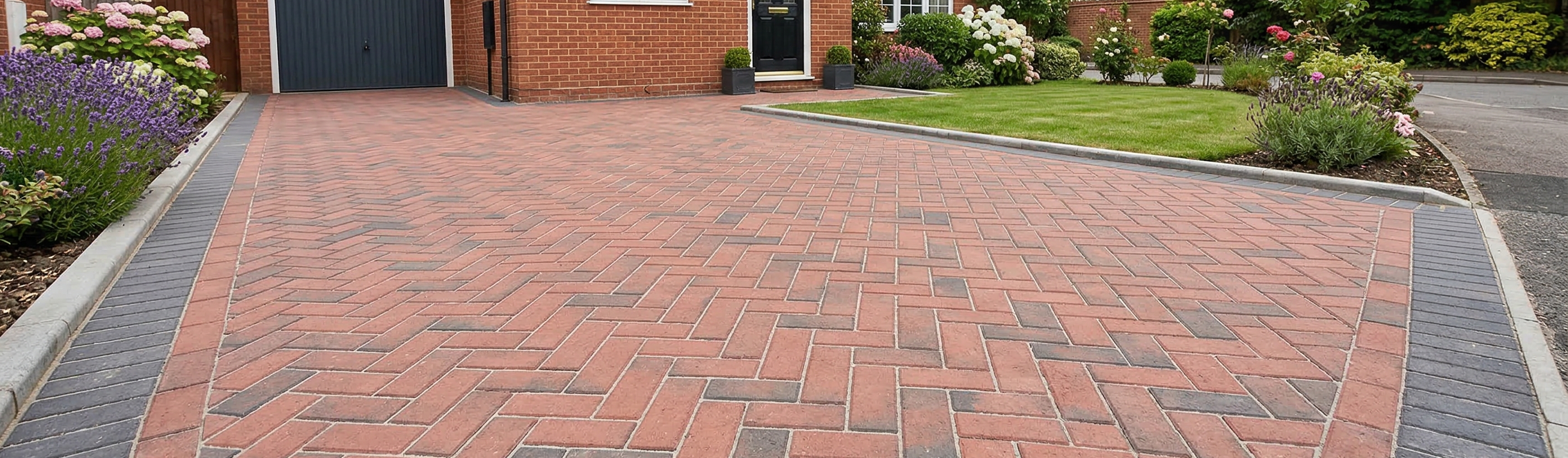
You spent the weekend power washing your driveway. You scraped out the moss, re-sanded the joints, and it looked brand new. Three weeks later, you see it: a tiny volcano of sand in the middle of a paver. Ants. Next to it, a green shoot is poking through. Weeds.
The problem with just using standard Kiln-Dried Sand is that it is loose. It moves. Rain washes it out, ants mine it out to build nests, and weed seeds settle effortlessly into the soft, damp grain to germinate. Spraying weed killer is only a temporary fix. To solve this permanently, you don't need poisons; you need physics.
You need to Stabilise the Sand. Here is how to turn your loose joints into a solid, weed-proof barrier.
1. The Solution: Block Paving Sealers
A Block Paving Sealer is a liquid resin (usually polyurethane) that floods the sand joint. It soaks deep into the sand and cures to form an elastomeric bond. essentially "gluing" the sand grains together. While you're applying this, it will also seal the block paving masonry aswell as an added benefit.
The Result:
-
Hard Crust: The sand becomes hard to the touch.
-
Ant Proof: Ants cannot dig through the hardened crust. If they can't dig, they can't nest.
-
Weed Barrier: While surface weeds might grow in dirt on top of the sealer, deep-rooted weeds cannot push up through the stabilised joint.
-
Erosion Control: Jet washing won't blow the sand out anymore.
2. The "Flood Coat" (For Existing Driveways)
If you already have sand in your joints, this is the easiest method. You use a Block Paving Sealer that acts as both a surface protector and a sand stabiliser.
The Process:
-
Top Up: Ensure the joints are filled with fresh kiln-dried sand to just below the chamfer (bevel) of the block.
-
Compact: Wack (compact) the pavers to settle the sand.
-
Flood: Apply the sealer liberally using a squeegee or a large sprayer. You want the liquid to pool in the joints.
-
Squeegee Off: Remove excess fluid from the face of the block. The fluid remaining in the joint soaks in and hardens the sand.
3. Preparation is Key
Stabiliser is a glue. It will glue anything it touches.
-
Weeds: You must kill and remove weeds before sealing. If you seal over a live dandelion root, it might be strong enough to crack your joint.
-
Moss: Scrape it out. You cannot stabilise moss.
-
Dryness: The sand must be bone dry before you apply a liquid stabiliser. If the sand is wet, the resin cannot soak in, and it will sit on top and turn white (bloom).
Conclusion
Loose sand is an open invitation to nature. Stabilised sand is a "Closed" sign. By turning your joints into a hardened, flexible grout, you stop the erosion cycle. You keep the ants out, the weeds down, and your driveway looking finished for years, not weeks.
-
Top up the sand.
-
Flood the joint.
-
Lock it in.
Stop the invasion.
→ Shop our Block Paving Sealers.
Share:
Efflorescence Removal: Cleaning White Salt Stains from Pavers