System Overview
For masonry, brick, wood, metal, and previously painted surfaces in residential buildings, decorative coating systems provide general-purpose protection while improving the visual condition of domestic structures. These coatings are commonly used for maintenance and refurbishment across houses, garages, garden buildings, and associated exterior structures.
Residential environments typically involve a wide variety of building materials within a single property. Exterior walls, timber joinery, metal gates, and previously painted surfaces may all require periodic repainting to maintain weather resistance and appearance. Coating systems used in these situations must provide dependable adhesion across mixed substrates while offering moderate durability for everyday exposure conditions.
EVEREST residential coatings are typically formulated using water-based acrylic and oil-based technologies. Acrylic systems are widely used for masonry and exterior building surfaces due to their breathability and weather resistance, while oil-based coatings are often selected for timber joinery and metalwork where a durable finishing film is required.
These systems are designed to provide practical protection and visual refurbishment for domestic properties rather than specialist industrial performance.
Suitable Substrates & Surface Preparation
Residential buildings contain a mixture of substrate types, each of which requires appropriate preparation before applying paint.
Masonry and brick surfaces should be clean and free from dust, algae, or loose material prior to coating. Older exterior walls may develop chalking or surface degradation that must be removed before repainting. Highly porous or unstable masonry may require stabilising primers to regulate surface absorption and improve coating adhesion.
Wood substrates such as doors, trim, fences, and sheds should be dry and free from loose coatings or degraded fibres. Sanding is typically required to remove weathered timber surfaces and to create a stable base for the applied coating system.
Metal components including gates, railings, and fixtures require removal of rust, grease, and loose paint before coating. Mechanical abrasion or cleaning may be necessary to expose a stable metal surface suitable for priming and finishing coats.
Previously painted surfaces can generally be recoated provided the existing coating remains well adhered. Surfaces should be cleaned and lightly abraded to improve intercoat adhesion before applying new paint layers.
Performance Characteristics & Limitations
Residential paint systems are designed to provide decorative finishing alongside moderate protection against environmental exposure. These coatings help shield building materials from moisture, sunlight, and routine wear associated with domestic environments.
Water-based acrylic coatings are commonly used on masonry and exterior surfaces because they offer breathable film formation. This allows moisture vapour within mineral substrates to escape while maintaining a protective exterior surface.
Oil-based coatings can provide durable film formation and good surface flow, particularly on timber joinery and metal features where a smooth decorative finish is desired.
These coatings are suitable for routine residential maintenance but are not designed for severe industrial exposure or environments involving continuous abrasion. Their performance is intended for light to medium duty service conditions typically found in domestic settings.
Substrate condition and preparation quality will strongly influence coating durability and long-term performance.
Internal vs External Considerations
Residential coatings may be used on both internal and external building elements depending on the substrate and environmental conditions.
Exterior applications include masonry walls, fences, garden buildings, and architectural metalwork exposed to weather. In these situations, coatings must provide resistance to rainfall, sunlight, and temperature variation while maintaining adhesion to the underlying substrate.
Interior applications are commonly limited to utility spaces such as garages, storage rooms, and workshops where decorative durability and ease of cleaning are desirable. Environmental stresses are typically lower indoors, although occasional moisture or surface wear may still occur.
Coating selection should therefore account for the specific conditions associated with each location within the property.
Selection Guidance & When to Specify Alternatives
Residential paint systems are most appropriate for routine maintenance and visual refurbishment of domestic buildings and outdoor structures. They provide practical protection across mixed substrates while maintaining a consistent decorative appearance throughout the property.
These coatings are typically selected for houses, garages, garden structures, fences, sheds, and associated residential features where moderate durability and weather resistance are sufficient.
However, where specific substrates require enhanced performance, specialist coatings may be more suitable. Exterior masonry walls exposed to severe weather conditions may benefit from dedicated masonry coating systems, while exposed steel structures may require anti-corrosion metal coatings.
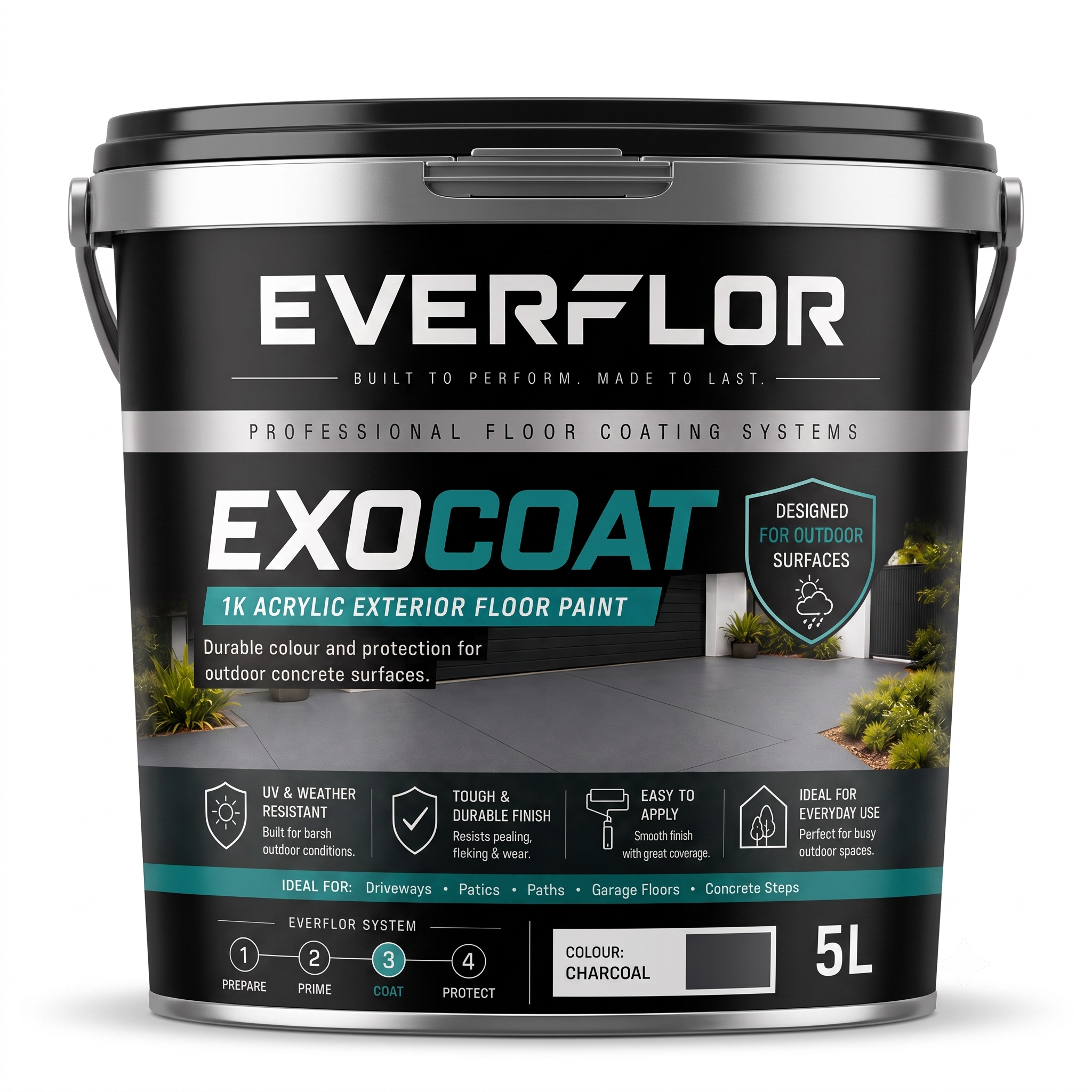
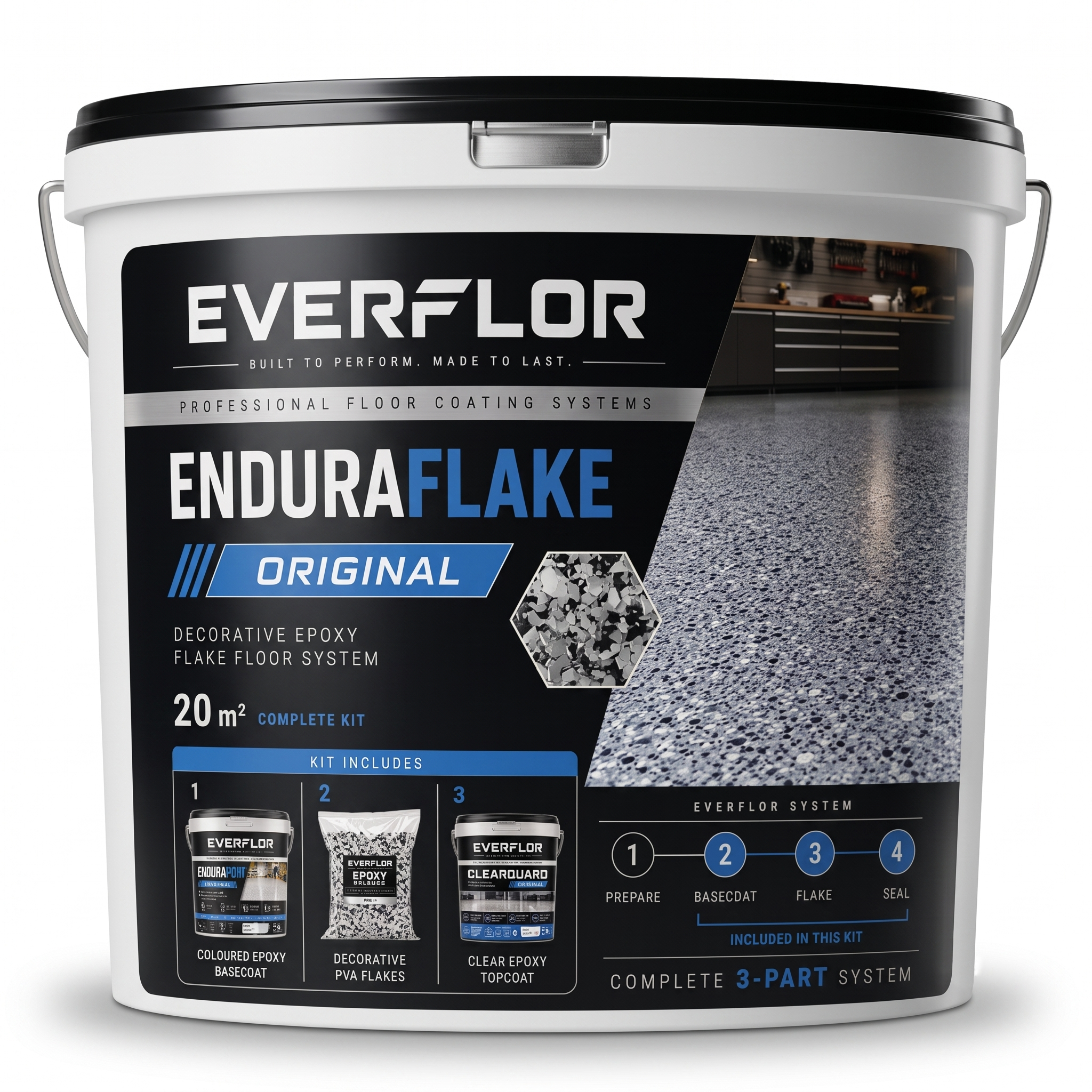
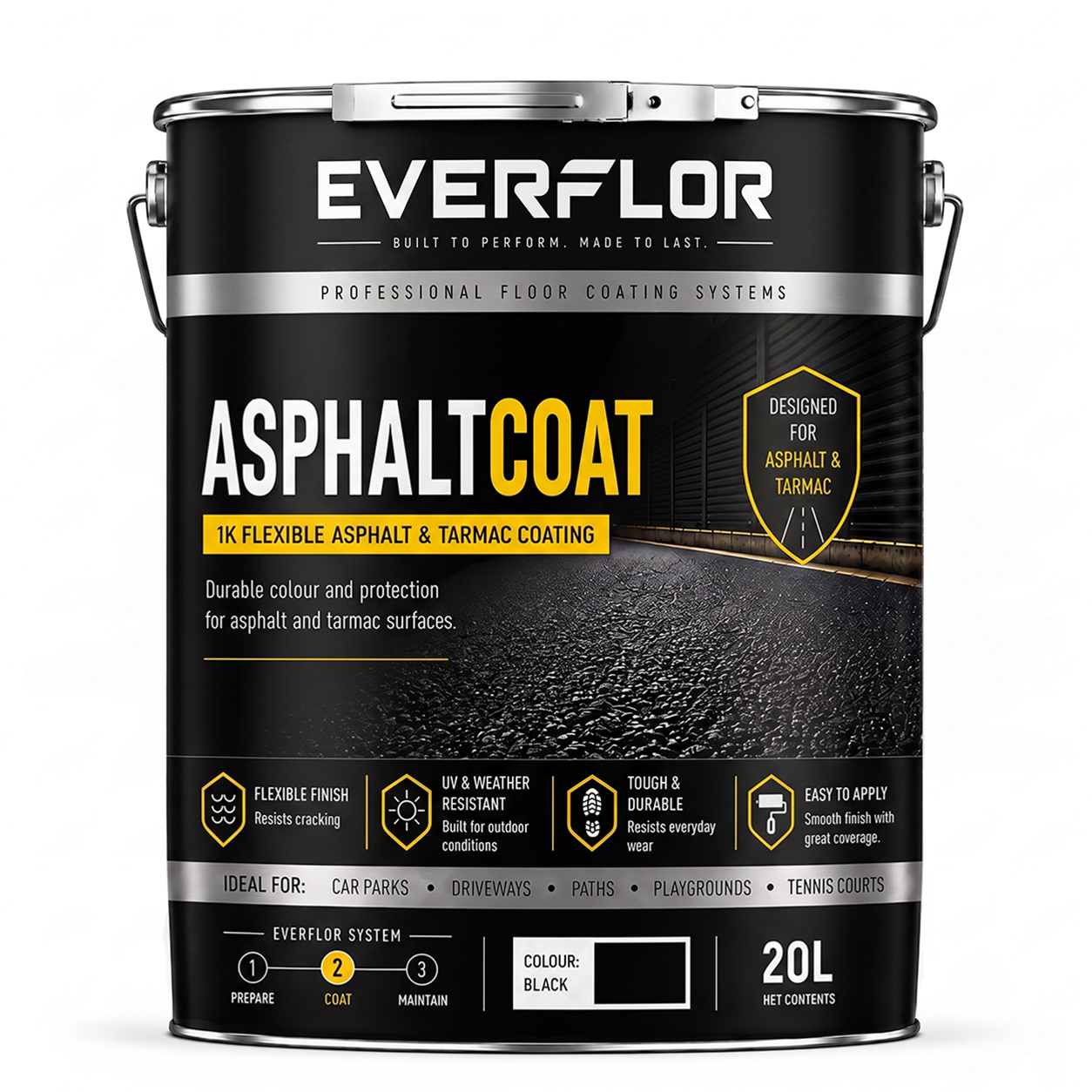
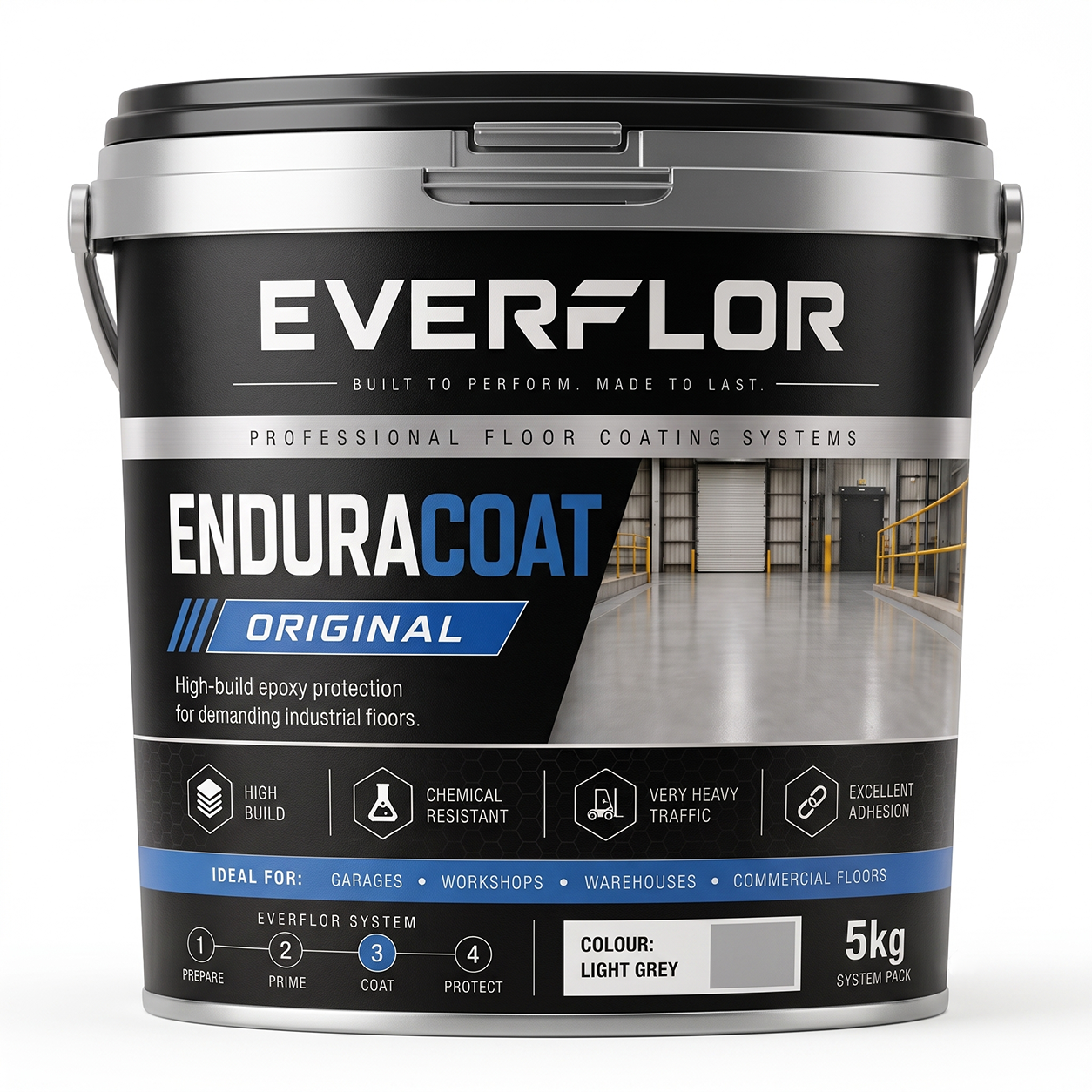
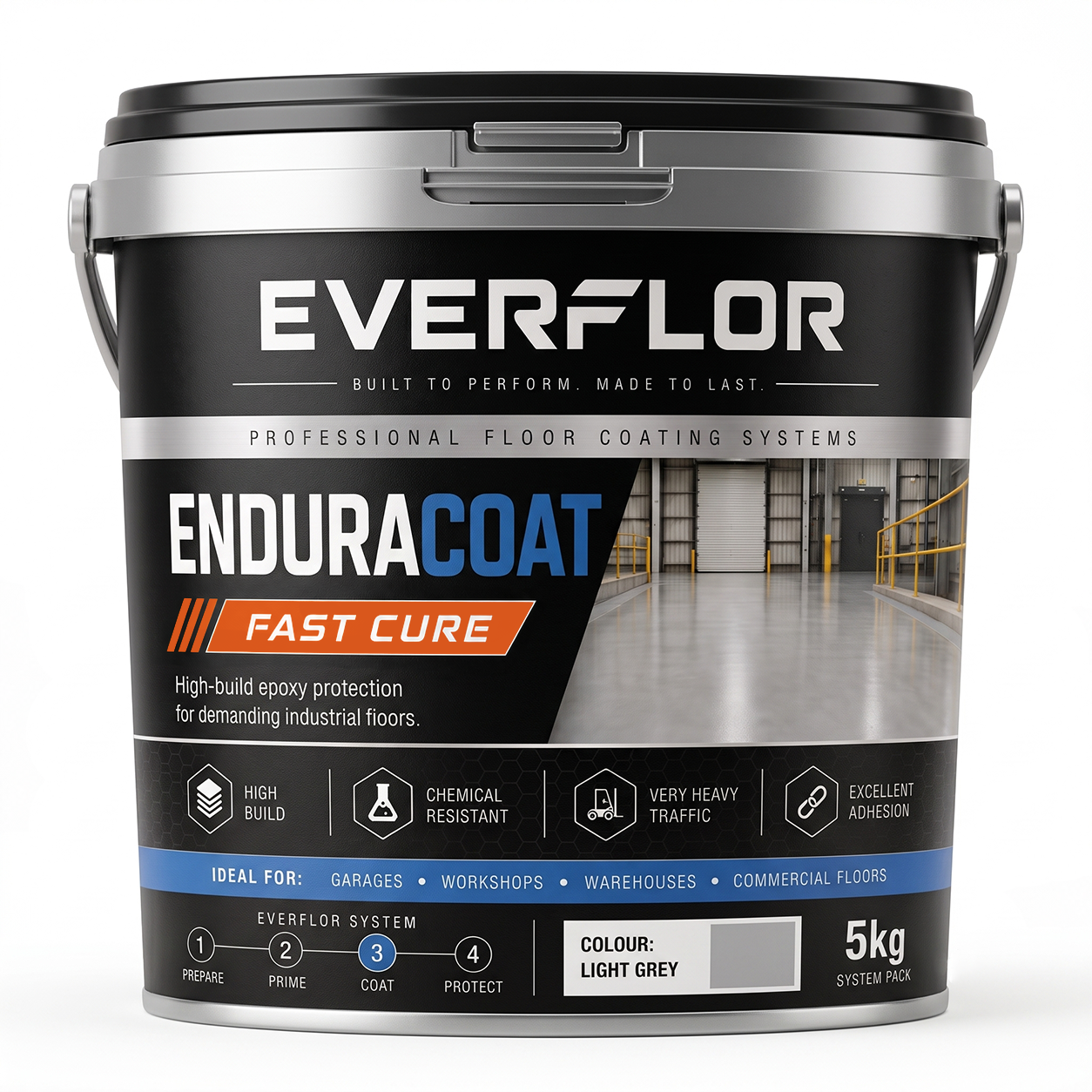
Floors subjected to vehicle traffic or workshop use should be coated with specialist floor coating systems rather than general building paints.
Assessing the substrate type and expected exposure conditions will help determine whether a general residential coating is appropriate or whether a more specialised coating system should be specified.