

Guides and Posts
Of Products
Help Categories
Helpful Staff
Technical Guidance & Surface Solutions
Find the Correct Preparation or Fix
Search by surface or problem to access the correct technical guide. From gloss repainting and knot bleed to rust treatment and adhesion issues, follow the right system for long-term performance.
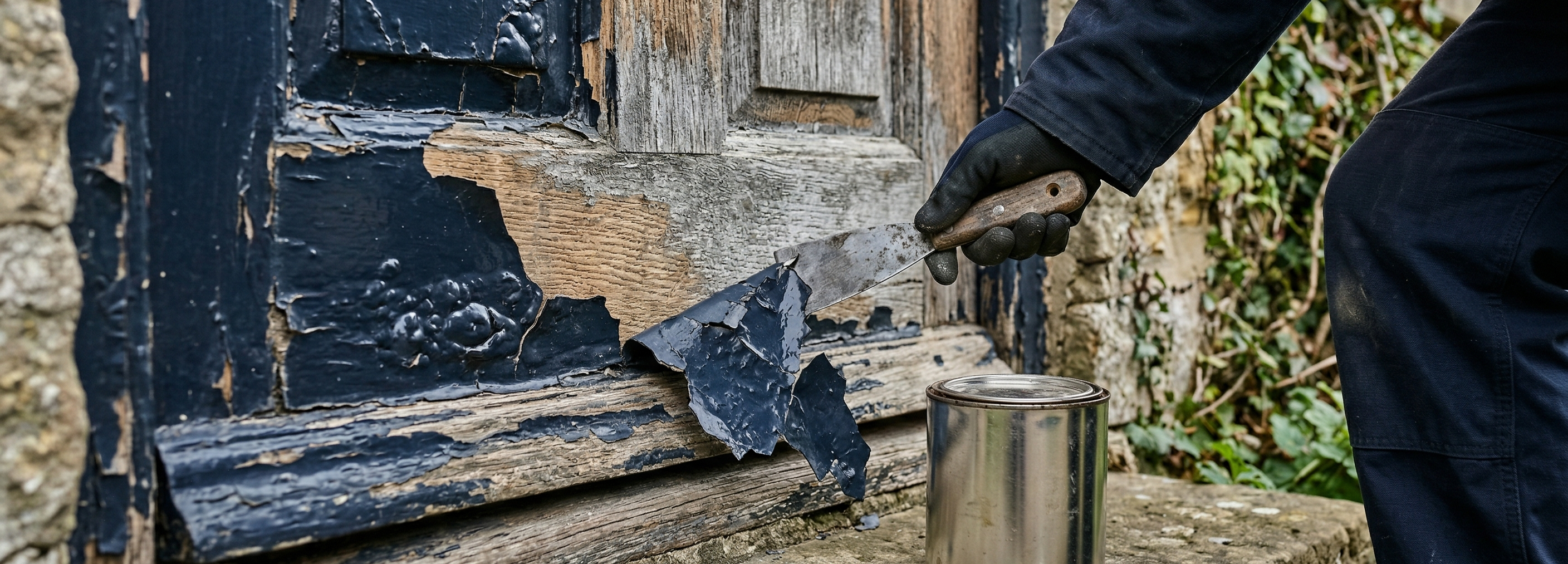
- 0 Kommentare
- von Sam Marriott
Adhesion Failure on Wood: Why Paint Peels and How to Fix It
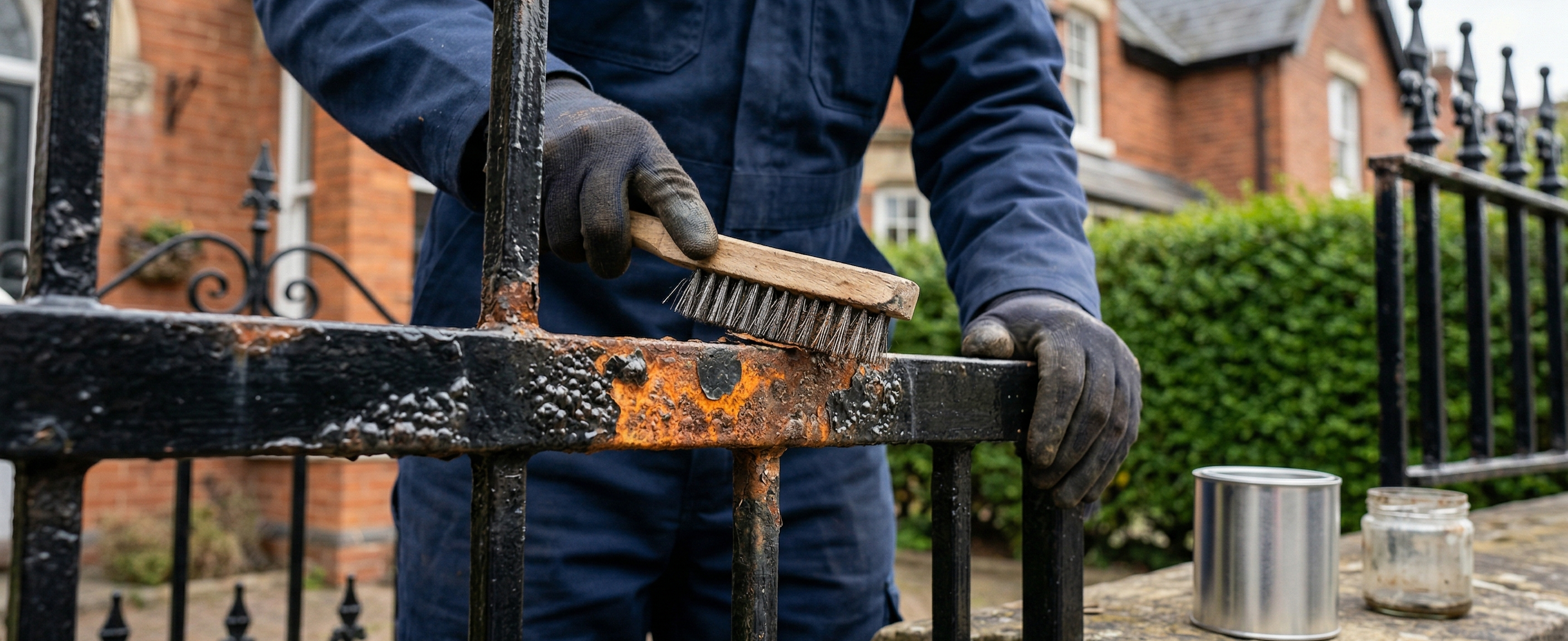
- 0 Kommentare
- von Sam Marriott
Why is my Painted Metal Fence Rusting Through the New Paint?
No guides found matching your search.
Try a different keyword.
For Timber, Metal & Exterior Joinery
Wood & Metal Troubleshooting
Technical guides to diagnose coating failure and apply the correct remedial system. Covers flaking coatings, corrosion, staining and adhesion issues across timber and metal surfaces.
Adhesion Failure on Wood: Why Paint Peels and How to Fix It
Why is my Painted Metal Fence Rusting Through the New Paint?
Common Coating Failures Explained
Wood & Metal Troubleshooting FAQ’s
PEELING, FLAKING & POOR ADHESION FAQ’s
Coatings fail when they cannot properly bond to the surface. This is often due to poor preparation, glossy substrates or incompatible coatings.
Why is my paint peeling off wood or metal?
Peeling is usually caused by poor adhesion. This can result from insufficient preparation, painting over glossy surfaces, or applying incompatible coatings.
Can I paint over old gloss paint?
Not directly. Gloss surfaces must be sanded or treated with an adhesion primer to ensure proper bonding.
Do I need to sand before repainting?
In most cases, yes. Sanding removes weak coatings and creates a key for the new paint system.
What happens if I skip preparation?
The new coating is likely to fail prematurely, often peeling or flaking shortly after application.
Do I always need a primer?
Primers are recommended when changing surface type, coating system or where adhesion is uncertain.
KNOT BLEED & STAINING FAQ’s
Timber contains natural resins and tannins that can bleed through coatings if not properly treated.
Why are stains coming through my paint?
This is usually caused by resin or tannin bleed from knots or certain wood species.
How do I stop knots bleeding through paint?
Each knot must be sealed with a dedicated knotting solution or stain-blocking primer before painting.
Can standard primer stop staining?
Not always. Some stains require specialised stain-blocking or shellac-based primers.
Why does staining appear after painting?
Heat can activate resins within timber, causing them to bleed through coatings over time.
Do I need to treat all knots?
Yes. Any visible knots should be sealed before applying undercoats and topcoats.
RUST & CORROSION FAQ’s
Metal surfaces are prone to oxidation. Rust must be treated and stabilised before applying any coating system.
Why is my metal paint rusting underneath?
Rust forms when moisture reaches exposed steel. This often happens when preparation is insufficient or coatings are damaged.
Can I paint directly over rust?
Only with appropriate rust-stabilising or direct-to-metal systems. Loose rust must still be removed first.
How do I stop rust coming back?
Remove loose corrosion, prepare the surface properly and apply a suitable anti-corrosion coating system.
Do I need a primer on metal?
In most cases, yes. Primers improve adhesion and provide corrosion protection.
What causes paint to fail on metal?
Poor preparation, contamination, moisture and lack of proper priming are the main causes.
EXTERIOR WEATHERING & BREAKDOWN FAQ’s
External wood and metal are exposed to UV, moisture and temperature changes, leading to coating degradation over time.
Why is my exterior paint cracking or flaking?
This is often due to weather exposure, moisture movement or ageing coatings losing flexibility.
Does sunlight affect paint?
Yes. UV exposure breaks down coatings, leading to fading, cracking and loss of protection.
Why does paint fail faster outside?
External surfaces are exposed to moisture, temperature changes and UV, all of which accelerate coating breakdown.
Can I repaint over weathered surfaces?
Only after proper preparation, including cleaning, sanding and removing failed coatings.
How often should exterior coatings be maintained?
This depends on exposure, but regular inspection and maintenance are recommended to prevent failure.
COVERAGE, FINISH & APPLICATION ISSUES FAQ’s
Poor finish, patchiness or low coverage are often linked to incorrect application, surface condition or product selection.
Why does my paint look patchy?
Uneven absorption, poor surface preparation or inconsistent application can cause patchy finishes.
Why am I getting poor coverage?
This can result from highly absorbent surfaces, incorrect primer use or applying paint too thinly.
Do I need multiple coats?
Yes. Most systems require a primer, undercoat and topcoat to achieve full coverage and durability.
Why is my finish uneven or streaky?
Application method, drying conditions and product type can all affect the final finish.
Can I fix a poor finish without starting again?
Light defects can sometimes be corrected with additional coats, but major issues may require re-preparation.

The Help & Technical Hub
Our coatings are backed by more than just performance — they’re supported by clear documentation, practical guides, and real technical support.
The Help & Technical Hub brings together preparation guides, application advice, FAQs, SDS & TDS downloads, and system recommendations to help you choose, apply, and maintain the right coating with confidence.